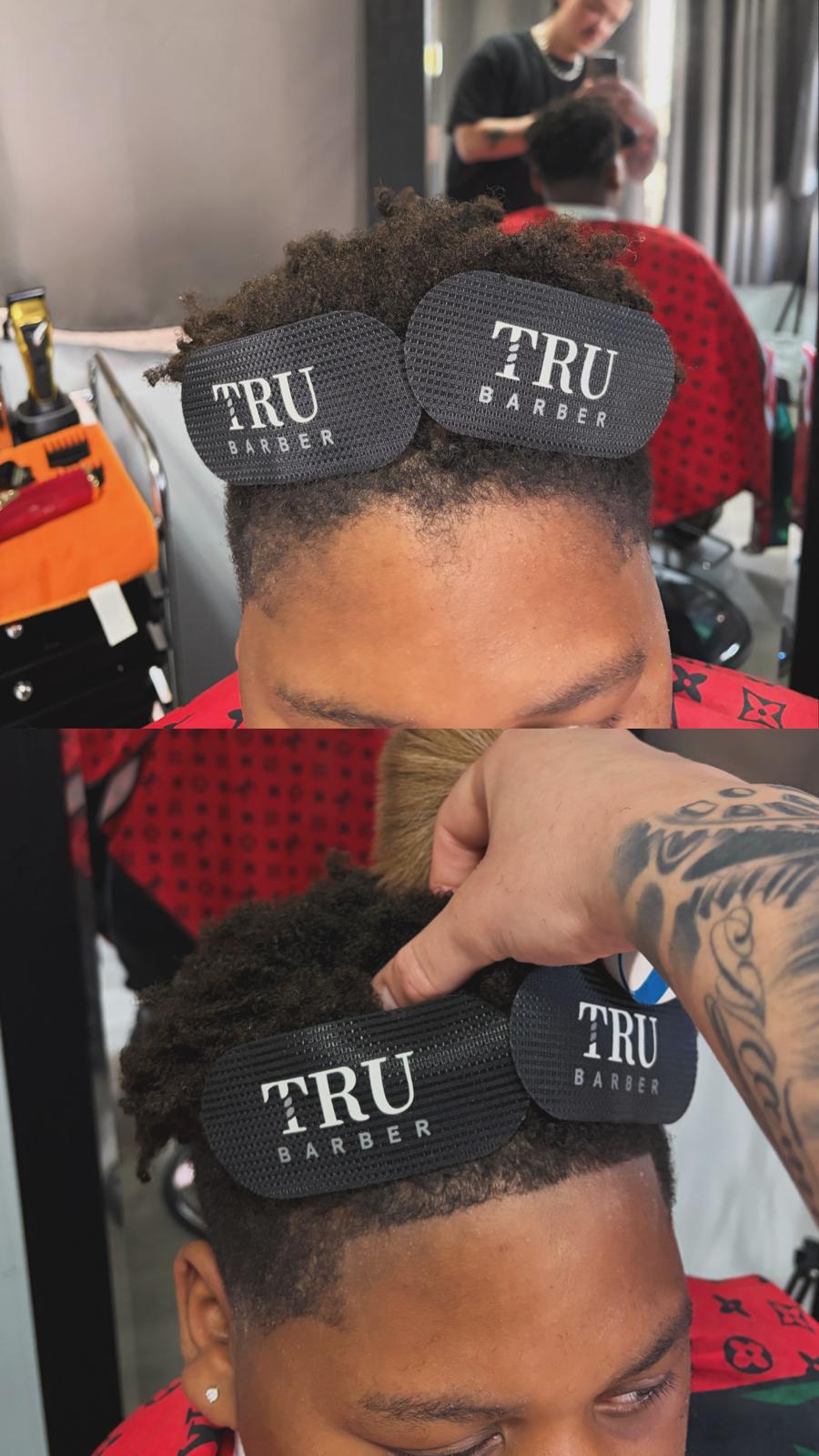
Walk into any barbershop and ask for a "fade" and you'll get a haircut. Ask for a skin fade or a taper fade — and know which one you actually want — and you'll get an experience. Understanding the difference between these two styles is one of the most practical things you can do before your next appointment.
This guide breaks down exactly what each style is, which one might suit you better, and — most importantly — how to communicate what you want to your barber clearly and confidently.
What Is a Skin Fade?
A skin fade — also called a bald fade or zero fade — is a haircut where the hair on the sides and back is blended all the way down to the skin. At the lowest point of the fade, you're looking at bare scalp. The hair then graduates upward, getting longer as it moves toward the top.
The defining characteristic is that zero guard finish at the base — no stubble, no texture, just skin. Done well, a skin fade has razor-sharp contrast and an incredibly clean look. It's one of the most demanding cuts to execute because there's no margin for error: any unevenness or blending mistakes are immediately visible against bare skin.
Who Wears Skin Fades?
Skin fades are popular with clients who want a sharp, modern, high-contrast look. They work especially well with textured tops, afros, curly hair, and styled quiffs. Athletes, professionals who want to look sharp, and anyone who appreciates a clean aesthetic tend to gravitate toward skin fades.
The trade-off: skin fades grow out faster and more visibly. The clean line at the base becomes noticeable within 2–3 weeks, which means more frequent trips to the barber to maintain the look.
What Is a Taper Fade?
A taper fade blends the hair from longer at the top gradually shorter toward the bottom — but doesn't necessarily go all the way to the skin. The hair might end at a #1 guard, a #0.5, or somewhere just above zero. The result is a clean, gradual transition that looks polished without the stark contrast of a skin fade.
Taper fades are often considered the more conservative or classic option. They look professional in virtually any setting, grow out more gracefully, and require slightly less frequent maintenance. A well-executed taper fade is just as impressive as a skin fade — just in a different way.
Who Wears Taper Fades?
Taper fades work for almost everyone. If you want something clean and sharp without committing to the full skin-fade look, a taper is an excellent choice. They're also a great starting point for clients who aren't sure how dramatic they want the contrast to be.
Key Differences at a Glance
- Blends to bare skin (zero guard)
- High contrast, very sharp look
- Needs touching up every 2–3 weeks
- Best for bold, modern styles
- More demanding to execute well
- Great with textured or curly tops
- Blends short but not to skin
- Clean, classic, versatile look
- Grows out more gracefully (3–4 weeks)
- Works in professional settings
- Easier to maintain between cuts
- Suits most hair types and styles
Fade Variations You Should Know
Within both skin fades and taper fades, there are several variations based on how high up the head the fade starts. Knowing these terms will help you get exactly what you want from your barber.
Low Fade
The fade starts just above the ear and the natural hairline at the neck. This is the most subtle option — a low fade adds a clean finish without dramatically changing the overall shape of the haircut. It's popular with classic styles and ivy league cuts.
Mid Fade
The fade begins around the middle of the head — roughly level with the temples. Mid fades offer a balance between the subtle low fade and the more dramatic high fade. This is arguably the most versatile and widely requested variation.
High Fade
The fade starts high up on the sides, often near the top of the ears or above. High fades create maximum contrast between the sides and top and give a bold, modern look. They're a common choice with textured crops, mohawks, and styled quiffs.
Drop Fade
A drop fade curves downward behind the ear, creating an arc or "drop" shape rather than going straight around the head. It's a stylistic variation that adds detail and personality to the fade — a popular choice for clients who want something with a bit more character.
Temple Fade (Temp Fade)
A temp fade focuses specifically on the temples and the area around the hairline. It's often used to clean up and define the hairline without a full side fade — a great option for keeping a style looking sharp between fuller cuts.
Which One Suits You?
The right fade depends on a combination of your face shape, hair type, lifestyle, and personal style. Here's a general guide:
Face Shape Considerations
- Oval face: Lucky you — almost any fade works. Go skin or taper based purely on preference.
- Round face: A high fade with volume on top creates the illusion of length and works well.
- Square face: A mid or low taper fade softens the angular jawline while keeping things clean.
- Oblong/long face: Low or mid fades with less height on top keep proportions balanced.
- Diamond face: Mid fades with some width at the top create balance around the narrow forehead and chin.
Hair Type Considerations
- Straight hair: Both fades work well. Skin fades create impressive contrast.
- Wavy hair: Mid or high taper fades complement natural wave patterns beautifully.
- Curly/coily hair: Skin fades with textured tops (like a curly top fade) are a classic, sharp combination.
- Thick hair: A skilled barber like Pablo can work with any thickness — communication is key.
Pablo's Advice
Bring a reference photo. Even the most experienced barber benefits from seeing what you have in mind — it eliminates guesswork and ensures you walk out looking exactly how you imagined. A good photo is worth a thousand words of description.
How to Ask for It
Knowing the terminology makes a huge difference at the barber chair. Here's how to ask for what you want clearly:
- Specify skin or taper: "I'd like a skin fade" or "I'd like a taper fade."
- Specify the height: "Low," "mid," or "high" tells the barber where to start the fade.
- Describe the top: Tell your barber how much length you want to keep on top and what style you're going for.
- Show a photo: Pull up a reference image on your phone. It's the clearest possible communication.
- Trust your barber: A great barber will ask follow-up questions and make suggestions based on your hair type and face shape. Let them guide you if you're unsure.
Maintenance & How Often to Cut
How often you need a fresh cut depends on how cleanly you want to maintain the fade at all times.
- Skin fade: Every 2–3 weeks to keep the skin-to-hair contrast sharp.
- Taper fade: Every 3–4 weeks is typically enough to keep it looking clean.
- Low fade: Grows out more slowly and gracefully — can stretch to 4 weeks.
- High fade: The high contrast means visible growth sooner — aim for every 2–3 weeks.
Regular maintenance isn't just about appearance — it's also easier (and cheaper in the long run) to maintain a fade than to let it grow out and have to start from scratch each time.
Frequently Asked Questions
Does a skin fade hurt?
Not at all. The clipper work is entirely painless. Some people find the sound of clippers near the ear slightly startling at first, but there's no discomfort involved in a skin fade.
Can I get a skin fade on thick hair?
Yes. Thick hair can absolutely be skin faded — it requires a skilled barber and the right technique, but it's entirely achievable. Pablo at Salomon Fades Studio works with all hair types.
Will a skin fade work with my curly hair?
Curly hair and skin fades are a fantastic combination. The contrast between a tight skin fade and natural curls on top is one of the sharpest looks in men's grooming.
How do I know if I should get a skin or taper fade?
Start with a taper if you've never had a fade before or prefer a more conservative look. Try a skin fade when you want something bolder and more defined. Your barber can also help you decide based on your face shape and hair type.